Recognizing the Role of a Vet Oncologist in Your Family pet's Cancer Care
A vet oncologist focuses on diagnosing and treating cancer in pets. Their knowledge is important for establishing customized therapy plans that resolve the one-of-a-kind needs of each animal. Early medical diagnosis can considerably affect results, making their role much more important. Understanding the various therapy alternatives and exactly how these experts team up with primary vets is important. What approaches do they employ to boost your animal's high quality of life throughout this tough time?

What Is a Veterinary Oncologist?
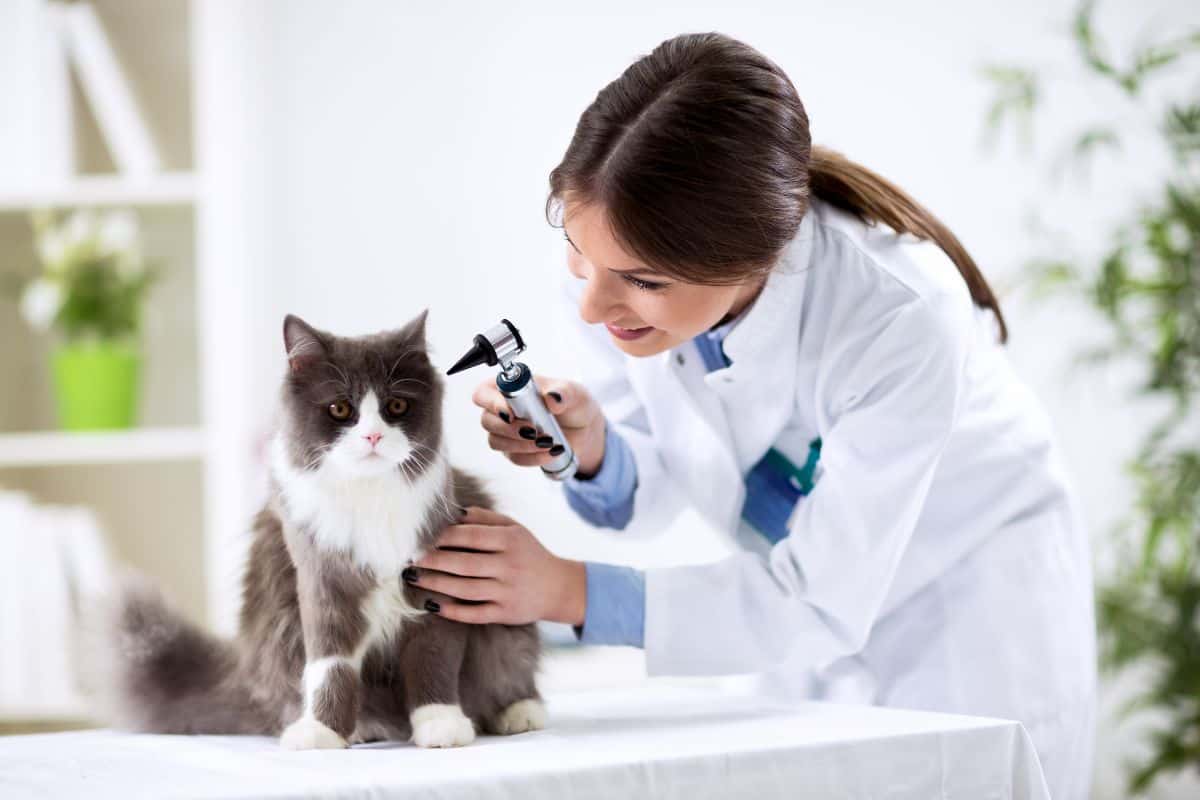
A veterinary oncologist is a specialized vet that focuses on detecting and dealing with cancer cells in pet dogs. These specialists have advanced training in both veterinary medicine and oncology, allowing them to comprehend the intricacies of malignant diseases in pets. Their competence permits them to execute a variety of analysis treatments, consisting of imaging techniques and research laboratory examinations, to accurately determine different types of cancers in family pets.
Along with medical diagnosis, vet oncologists develop customized treatment plans, which may include surgical procedure, radiation treatment, radiation therapy, or palliative treatment. They work closely with animal owners to discuss treatment choices and prospective end results, making sure that households make notified choices concerning their pet dogs' treatment. Vet oncologists usually collaborate with various other veterinary experts and general specialists, creating a detailed approach to pet dog health. By concentrating on cancer cells treatment, they play a crucial duty in improving the quality of life for family pets diagnosed with hatreds.
The Value of Very Early Diagnosis and Therapy
Early diagnosis and treatment of cancer in pet dogs significantly enhance the opportunities of effective outcomes and boosted lifestyle. When cancer is determined in its beginning, veterinary oncologists can implement targeted interventions that may reduce illness development and minimize signs. This positive approach enables better administration of the condition, potentially bring about longer survival times and enhanced convenience for the pet.
Furthermore, early detection often means that therapy alternatives might be much less invasive and much more reliable, minimizing the total concern on both the pet dog and its owner. Routine veterinary exams and recognition of subtle behavior adjustments are crucial, as they can assist in prompt diagnoses. Owners need to remain watchful and consult their vet at the very first indication of issue. Board Certified Veterinary Oncologist. Eventually, a very early medical diagnosis encourages family pet owners to make enlightened decisions about their pet's treatment, significantly impacting the general trip via cancer cells monitoring
Treatment Choices Supplied by Veterinary Oncologists
When encountered with a cancer cells medical diagnosis, pet proprietors can explore a range of therapy alternatives given by vet oncologists that are tailored to the specific demands of their pets. These experts typically offer a combination of surgical procedure, chemotherapy, radiation therapy, and immunotherapy. Surgical treatment may intend to eliminate lumps or influenced tissues, while radiation treatment utilizes drugs to eliminate and target cancer cells, usually carried out in cycles.
Radiation treatment concentrates on utilizing high-energy rays to reduce and reduce growths pain. Immunotherapy, a more recent advancement, harnesses the pet dog's immune system to combat cancer more effectively. Extra helpful therapies, such as discomfort administration, dietary support, and palliative treatment, are also necessary elements of an extensive therapy plan. By evaluating each instance individually, veterinary oncologists assure that the chosen treatment lines up with the pet's overall wellness and cancer type, optimizing the opportunities of a positive outcome.
The Collaborative Approach: Collaborating With Your Main Vet
Partnership in between vet oncologists and key veterinarians is vital for supplying extensive treatment to pets detected with cancer. This partnership guarantees a thorough method to therapy, integrating the specialized understanding of oncologists with the recurring care supplied by main veterinarians. With each other, they evaluate the family pet's wellness, create individualized treatment strategies, and monitor the pet's progression throughout the cancer cells trip.
Key vets frequently act as the initial factor of contact, determining prospective signs of cancer and referring people to oncologists for specialized diagnostics and treatment options. Complying with the oncologist's referrals, the key veterinarian plays an essential role in managing the pet Home Page dog's overall health and wellness, including discomfort monitoring and helpful treatment.
Effective interaction in between these experts promotes a unified method, permitting for prompt interventions and modifications to therapy as required. This joint strategy ultimately boosts the high quality of treatment and assistance for animals and their owners throughout a tough time.
Sustaining Your Pet Dog Via Cancer Care
Supporting an animal with cancer treatment requires an extensive understanding of the psychological and physical challenges dealt with by both the pet and its proprietor. Caretakers must be attentive to the pet's changing needs, which may include handling pain, readjusting diet plans, and monitoring negative effects from treatments. Supplying a comfy, trouble-free environment is vital for the animal's well-being.
Emotional assistance site web is just as crucial; owners should seek to remain positive and engaged while knowing their very own feelings of anxiousness and unhappiness. Creating a support network, including veterinarians, family, and pals, can ease some burdens.
Additionally, animal owners should educate themselves about the particular type of cancer cells and therapy options available, promoting educated conversations with vet oncologists. Ultimately, a caring method, incorporated with positive care and support, can boost the animal's quality of life during this difficult trip.
Often Asked Concerns
Just how Do I Pick the Right Veterinary Oncologist for My Pet dog?
Selecting the appropriate veterinary oncologist involves looking into qualifications, seeking suggestions, examining experience with particular cancers, evaluating interaction styles, and visiting clinics to assure a comfortable setting for both the pet and proprietor throughout treatment.
What Should I Anticipate Throughout the First Appointment?
During the very first visit, the pet owner can anticipate a complete examination, discussion of case history, analysis examinations, and a treatment plan summary. The vet will certainly address problems and supply support for recurring care.
Exist Any Kind Of Expenses Associated With a Vet Oncologist's Providers?
Expenses associated with a vet oncologist's services can vary greatly based upon location, treatment intricacy, and required diagnostics. Pet Cancer Surgery. Animal owners should anticipate expenditures for appointments, examinations, and potential ongoing therapy strategies tailored to their family pets' requirements
Can My Family Pet Still Obtain Regular Veterinary Care While Seeing an Oncologist?
Pet dogs can obtain normal veterinary care while seeing an oncologist. Collaborating therapies assurances thorough health management. Routine examinations enhance specialized cancer cells care, permitting holistic tracking of the animal's general wellness and dealing with various other health and wellness issues.
What Resources Are Available for Pet Dog Owners During Their Pet's Cancer cells Journey?
Different resources are available for pet dog owners maneuvering their pet's cancer trip, including support teams, on the internet discussion forums, academic web sites, and economic assistance programs, all aimed at why not find out more providing assistance, emotional support, and practical details during this difficult time.
A vet oncologist is a customized veterinarian that concentrates on detecting and treating cancer cells in pets. They function carefully with family pet owners to clarify therapy choices and prospective outcomes, ensuring that family members make notified choices concerning their family pets' treatment. When encountered with a cancer cells medical diagnosis, pet dog owners can explore a range of treatment options provided by vet oncologists that are customized to the specific needs of their animals. Cooperation in between key vets and veterinary oncologists is vital for providing extensive care to family pets identified with cancer. Additionally, family pet owners should educate themselves about the specific type of cancer cells and therapy alternatives offered, promoting notified discussions with veterinary oncologists.